

As a seasoned supplier of Flat Leno Machines, I've witnessed firsthand the pivotal role that proper filling yarn tension plays in the overall performance and quality of the weaving process. In this blog post, I'll share some valuable insights on how to adjust the tension of the filling yarns on a Flat Leno Machine, ensuring optimal results and minimizing production issues.
Understanding the Importance of Filling Yarn Tension
Before delving into the adjustment process, it's crucial to understand why maintaining the correct tension of the filling yarns is so important. The tension of the filling yarns directly affects the fabric's appearance, strength, and overall quality. If the tension is too loose, the fabric may appear uneven, with gaps or slubs. On the other hand, if the tension is too tight, the yarns may break, leading to production delays and increased waste.
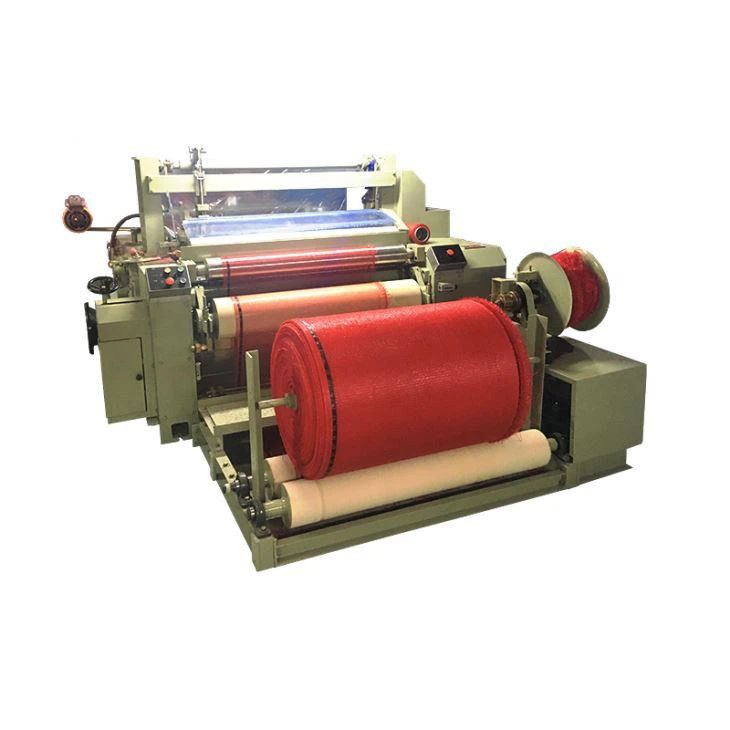

Proper tension also ensures that the fabric has a consistent width and density, which is essential for meeting the required specifications. Additionally, it helps to prevent the yarns from tangling or snarling, which can cause further issues during the weaving process.
Factors Affecting Filling Yarn Tension
Several factors can affect the tension of the filling yarns on a Flat Leno Machine. These include:
- Yarn Type: Different types of yarns have different properties, such as strength, elasticity, and diameter. These properties can affect the yarn's ability to withstand tension and may require different adjustment settings.
- Machine Speed: The speed at which the machine is operating can also affect the tension of the filling yarns. As the machine speed increases, the tension on the yarns may need to be adjusted accordingly to maintain the desired fabric quality.
- Fabric Design: The design of the fabric being woven can also impact the tension requirements. For example, fabrics with a more complex pattern or a higher density may require higher tension to ensure that the yarns are properly interlaced.
- Environmental Conditions: The temperature and humidity in the weaving environment can also affect the tension of the yarns. In general, higher temperatures and humidity levels can cause the yarns to expand, which may require a decrease in tension.
Adjusting the Tension of the Filling Yarns
Now that we've covered the importance of filling yarn tension and the factors that can affect it, let's take a look at the steps involved in adjusting the tension on a Flat Leno Machine.
Step 1: Check the Tension Settings
The first step in adjusting the tension of the filling yarns is to check the current tension settings on the machine. Most Flat Leno Machines are equipped with a tension control device that allows you to adjust the tension of the yarns. This device may be located on the machine's control panel or on the yarn feed system.
Refer to the machine's user manual to determine the recommended tension settings for the specific yarn type and fabric design you're working with. If you're unsure about the appropriate settings, you can also consult with the machine manufacturer or a technical expert.
Step 2: Inspect the Yarn Path
Once you've checked the tension settings, it's important to inspect the yarn path to ensure that there are no obstacles or restrictions that could affect the yarn's movement. Make sure that the yarns are properly threaded through the tension control device, guides, and other components of the machine.
Look for any signs of wear or damage on the yarn path components, such as frayed guides or worn-out tension discs. Replace any damaged components as needed to ensure smooth yarn movement and consistent tension.
Step 3: Make Minor Adjustments
If the tension of the filling yarns is slightly off, you can make minor adjustments to the tension control device to bring it back to the desired level. Most tension control devices allow you to increase or decrease the tension by turning a knob or adjusting a screw.
Make small adjustments at a time and test the tension of the yarns after each adjustment. You can use a tension meter or a simple visual inspection to check the tension. If the yarns are too loose, increase the tension slightly. If they're too tight, decrease the tension.
Step 4: Monitor the Tension
Once you've made the necessary adjustments, it's important to monitor the tension of the filling yarns during the weaving process to ensure that it remains consistent. Check the tension regularly using a tension meter or a visual inspection, and make additional adjustments as needed.
Keep in mind that the tension of the yarns may change over time due to factors such as machine wear, yarn breakage, or environmental conditions. By monitoring the tension closely, you can detect any issues early and take corrective action before they affect the fabric quality.
Tips for Maintaining Optimal Filling Yarn Tension
In addition to following the steps outlined above, here are some tips for maintaining optimal filling yarn tension on your Flat Leno Machine:
- Use High-Quality Yarns: Using high-quality yarns that are consistent in terms of strength, diameter, and other properties can help to ensure more consistent tension throughout the weaving process.
- Keep the Machine Clean: Regularly cleaning the machine and its components can help to prevent dirt, dust, and other debris from accumulating on the yarn path, which can affect the yarn's movement and tension.
- Perform Regular Maintenance: Performing regular maintenance on the machine, such as lubricating the moving parts and replacing worn-out components, can help to ensure smooth operation and consistent tension.
- Train Your Operators: Providing proper training to your operators on how to adjust and monitor the tension of the filling yarns can help to ensure that they have the knowledge and skills necessary to produce high-quality fabrics.
Conclusion
Adjusting the tension of the filling yarns on a Flat Leno Machine is a critical step in the weaving process that can have a significant impact on the quality and performance of the fabric. By understanding the importance of filling yarn tension, the factors that can affect it, and the steps involved in adjusting it, you can ensure that your machine is operating at its best and producing high-quality fabrics consistently.
If you're in the market for a Flat Leno Machine or other related equipment, such as PE Tarpaulin Making Machine, Leno Bag Making Machine, or Fabric Mesh Rolls Weaving Machine, we'd be happy to help. Contact us today to learn more about our products and services and to discuss your specific requirements.
References
- [Flat Leno Machine User Manual]
- [Textile Weaving Handbook]
- [Yarn Manufacturer's Technical Data Sheets]


