

As a supplier of 21 PP Mesh Cloth, I often get asked about its water permeability. In this blog post, I'll delve into what water permeability means in the context of 21 PP Mesh Cloth, how it's measured, and its practical implications in various applications.
Understanding Water Permeability
Water permeability refers to the ability of a material to allow water to pass through it. In the case of 21 PP Mesh Cloth, it is determined by several factors, including the mesh size, the thickness of the fabric, and the density of the PP (polypropylene) fibers. The term "21 PP Mesh Cloth" indicates that there are 21 openings per linear inch in the mesh. This relatively fine mesh structure plays a crucial role in regulating the flow of water through the cloth.
Factors Affecting Water Permeability of 21 PP Mesh Cloth
Mesh Size
The 21 - mesh size of the cloth is a significant determinant of water permeability. A smaller mesh size, such as 21, means that there are more openings per unit area, but the individual openings are relatively small. This restricts the flow of water to some extent compared to a coarser mesh. However, it also allows for better filtration of particles while still permitting a certain amount of water to pass through. For example, in applications where sediment control is necessary, the 21 - mesh size can prevent larger particles from passing through with the water, while still allowing water to drain.
Fiber Thickness and Density
The thickness and density of the PP fibers in the cloth also impact water permeability. Thicker fibers can reduce the available space for water to flow through the mesh, thus decreasing permeability. Similarly, a higher density of fibers in the fabric can also impede the passage of water. Our 21 PP Mesh Cloth is carefully engineered to balance fiber thickness and density to achieve an optimal level of water permeability for different applications.
Fabric Structure
The woven structure of the 21 PP Mesh Cloth affects how water interacts with it. The way the fibers are woven together can create channels or pathways for water to flow. A well - woven fabric with a consistent structure will have more predictable water permeability characteristics. Our manufacturing process ensures that the 21 PP Mesh Cloth has a uniform and stable woven structure, which helps in maintaining a reliable level of water permeability.
Measuring Water Permeability
There are several methods to measure the water permeability of 21 PP Mesh Cloth. One common approach is the constant - head permeability test. In this test, a sample of the cloth is placed in a permeameter, and a constant head of water is applied to one side of the sample. The amount of water that passes through the sample over a specific period is measured. The water permeability coefficient (k) can then be calculated using Darcy's law, which relates the flow rate of water through a porous medium to the hydraulic gradient and the cross - sectional area of the sample.
Another method is the falling - head permeability test. In this test, the head of water above the sample decreases over time as water passes through the cloth. By measuring the change in head and the time taken, the water permeability can be determined. These tests are essential for ensuring that our 21 PP Mesh Cloth meets the required standards for water permeability in different applications.
Practical Applications and Water Permeability
Agricultural Use
In agriculture, 21 PP Mesh Cloth is commonly used for various purposes, such as plant protection and soil erosion control. The water permeability of the cloth is crucial in these applications. For example, when used as a ground cover, it allows rainwater to penetrate the soil while preventing excessive evaporation. This helps in maintaining soil moisture levels for plant growth. Additionally, in the case of PP Vegetable and Fruit Packaging Bag, the appropriate water permeability can prevent the build - up of moisture inside the bag, which could lead to spoilage of the produce.
Construction and Civil Engineering
In construction and civil engineering projects, 21 PP Mesh Cloth is used for drainage and filtration purposes. For instance, it can be used as a filter fabric in drainage systems. The water permeability of the cloth ensures that water can flow freely through the system while preventing the migration of soil particles. This helps in maintaining the stability of the structure and preventing clogging of the drainage system.
Industrial Filtration
In industrial settings, 21 PP Mesh Cloth can be used for filtration processes. The controlled water permeability of the cloth allows for the separation of solids from liquids. For example, in wastewater treatment plants, the cloth can be used to filter out suspended solids while allowing the water to pass through, contributing to the purification process.
Comparison with Other Mesh Sizes
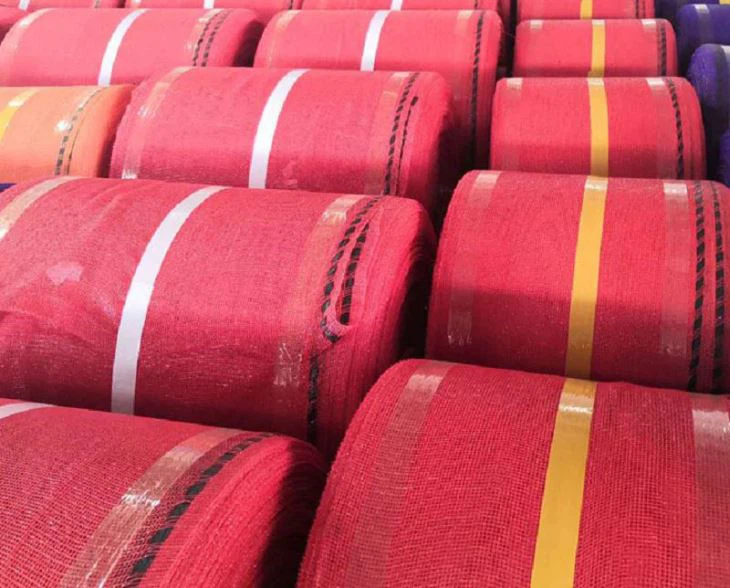
Compared to coarser mesh sizes, 21 PP Mesh Cloth offers a different balance between water permeability and filtration efficiency. Coarser meshes generally have higher water permeability but lower filtration capabilities. On the other hand, finer meshes than 21 may have even better filtration but lower water permeability. Our PP Leno Woven Fabric on Roll comes in different mesh sizes to meet the diverse needs of our customers. The 21 - mesh size is a popular choice for applications where a moderate level of water permeability and good filtration are required.
Quality Control and Water Permeability
As a supplier of 21 PP Mesh Cloth, we have strict quality control measures in place to ensure consistent water permeability. Every batch of our cloth is tested using standardized methods to verify that it meets the specified water permeability requirements. This ensures that our customers can rely on the performance of our product in their applications.

Conclusion
The water permeability of 21 PP Mesh Cloth is a complex characteristic that is influenced by multiple factors, including mesh size, fiber thickness, density, and fabric structure. Understanding these factors and how they interact is essential for selecting the right cloth for different applications. Our company is committed to providing high - quality 21 PP Mesh Cloth with reliable water permeability characteristics.
If you are interested in purchasing 21 PP Mesh Cloth for your specific application, we invite you to contact us for a detailed discussion. Our team of experts can provide you with more information about the product's water permeability and how it can meet your needs. We look forward to the opportunity to work with you and provide the best solutions for your requirements.
References
- ASTM D2434 - Standard Test Method for Permeability of Granular Soils (Constant Head).
- Bear, J. (1972). Dynamics of Fluids in Porous Media. Elsevier.
- Freeze, R. A., & Cherry, J. A. (1979). Groundwater. Prentice - Hall.


