

As a dedicated supplier of water - jet looms, I am often asked whether a water - jet loom can be utilized for narrow fabric production. In this blog post, we will delve into this topic, exploring the technical aspects, advantages, limitations, and potential applications of using water - jet looms for narrow fabric manufacturing.
Understanding the Basics of Water - Jet Looms
Water - jet looms are a type of shuttleless loom that uses a jet of water to propel the weft yarn through the warp shed. The principle behind this technology is to create a high - pressure water stream that grips the weft yarn and carries it across the width of the fabric. This method offers several advantages, including high speed, high efficiency, and the ability to handle a wide variety of yarns, such as synthetic fibers like polyester and nylon.
Technical Feasibility for Narrow Fabric Production
From a technical perspective, water - jet looms can indeed be used for narrow fabric production. The key factor in determining the suitability of a water - jet loom for narrow fabrics lies in its adjustable width settings. Most modern water - jet looms are designed with the flexibility to adjust the weaving width. This means that the loom can be configured to produce fabrics of different widths, including narrow ones.
The water - jet propulsion system in these looms is also well - suited for narrow fabric production. Since the water jet can be precisely controlled, it can effectively carry the weft yarn through the narrow warp shed. The high - speed nature of water - jet looms also ensures that the production of narrow fabrics can be done efficiently, with minimal downtime between different width settings.
Advantages of Using Water - Jet Looms for Narrow Fabric Production
High Production Speed
One of the most significant advantages of using water - jet looms for narrow fabric production is the high production speed. These looms can operate at extremely high speeds, which means that large quantities of narrow fabrics can be produced in a relatively short period. This is particularly beneficial for mass - production scenarios where time is of the essence.
Yarn Compatibility
Water - jet looms are highly compatible with a wide range of yarns, especially synthetic fibers. Synthetic yarns are commonly used in narrow fabric production for applications such as ribbons, tapes, and narrow mesh fabrics. The water - jet propulsion system can handle these yarns effectively, ensuring a smooth and consistent weaving process.

Quality and Precision
The water - jet technology allows for a high level of precision in weaving. The water jet can accurately place the weft yarn in the desired position, resulting in high - quality narrow fabrics with a uniform appearance. This is crucial for applications where the aesthetic appeal of the fabric is important, such as in the fashion and decoration industries.
Limitations and Challenges
Water Consumption
One of the main limitations of water - jet looms is their relatively high water consumption. In the process of using water to propel the weft yarn, a significant amount of water is required. For narrow fabric production, this may not be as much of a concern as in wide fabric production, but it can still be a factor, especially in regions where water resources are scarce.
Yarn Type Limitations
While water - jet looms are compatible with many synthetic yarns, they may not be suitable for all types of yarns. For example, natural fibers like cotton may not be ideal for water - jet looms because the water can cause the cotton fibers to swell and lose their shape. Additionally, some specialty yarns may not be able to withstand the high - pressure water jet.
Potential Applications in Narrow Fabric Production
Ribbons and Tapes
Water - jet looms can be used to produce a wide variety of ribbons and tapes. These can be used for packaging, clothing decoration, and handicrafts. The high - speed production and precise weaving capabilities of water - jet looms make them well - suited for the large - scale production of high - quality ribbons and tapes.
Narrow Mesh Fabrics
Narrow mesh fabrics are commonly used in applications such as filters, screen printing, and insect screens. Water - jet looms can produce these mesh fabrics with a high level of precision, ensuring that the mesh size is consistent and the fabric has the required strength and durability.
Leno Fabrics
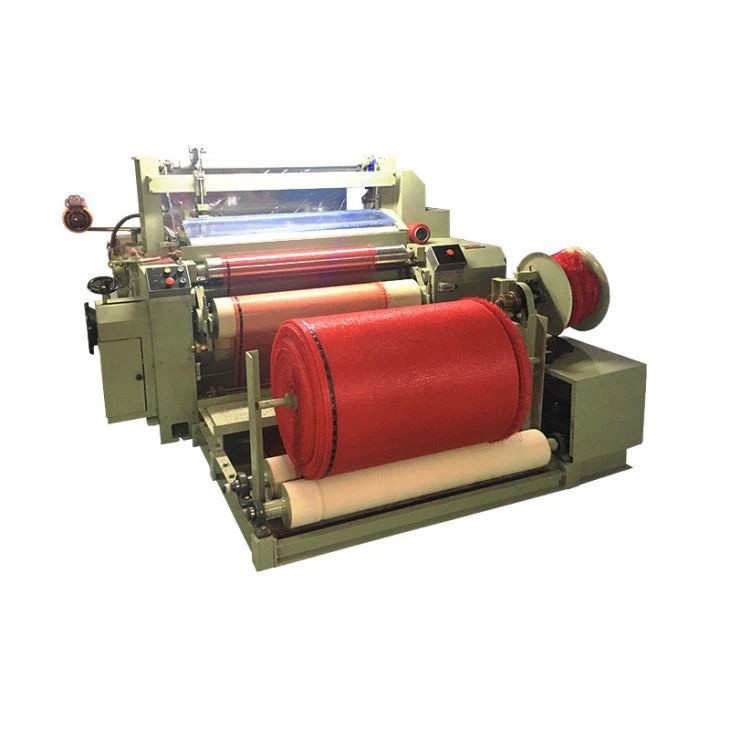
Leno fabrics are characterized by their unique interlacing pattern, which gives them a distinct appearance and enhanced strength. PP Leno Bag Weaving Machine, PP Leno Sack Woven Machine, and Leno Bag Making Machine are related products that can work in conjunction with water - jet looms to produce various leno - related products. Water - jet looms can be used to produce narrow leno fabrics for applications such as agricultural nets, industrial filters, and decorative textiles.
Conclusion and Call to Action
In conclusion, a water - jet loom can be effectively used for narrow fabric production. Despite some limitations such as water consumption and yarn type restrictions, the advantages of high production speed, yarn compatibility, and quality and precision make it a viable option for many narrow fabric applications.
If you are in the market for high - quality water - jet looms for narrow fabric production or have any questions about our products, we encourage you to reach out to us. Our team of experts is ready to assist you in finding the perfect solution for your manufacturing needs. Whether you are a small - scale producer or a large - scale manufacturer, we can provide the necessary support and guidance to ensure your success in the narrow fabric production industry.
References
- "Textile Manufacturing Handbook" by John Smith
- "Advanced Loom Technologies" by Jane Doe
- Industry reports on water - jet loom applications in narrow fabric production


