

Hey there! As a supplier of water jet looms, I know how important it is to keep these machines in top - notch condition. A well - maintained water jet loom not only performs better but also has a longer lifespan. So, let's dive right into how to clean a water jet loom.
Understanding the Basics
Before you start cleaning, it's crucial to understand your water jet loom. Different models might have slightly different cleaning requirements, but the general principles remain the same. We're talking about taking care of key components like the shedding mechanism, the picking system, and the beating - up mechanism. These parts work together to create the perfect fabric, and any dirt or debris can mess up their performance.
Pre - Cleaning Steps
First things first, turn off the power. You don't want to risk getting zapped while you're cleaning, right? Also, make sure the loom has cooled down if it's been running recently. Safety should always be your top priority.
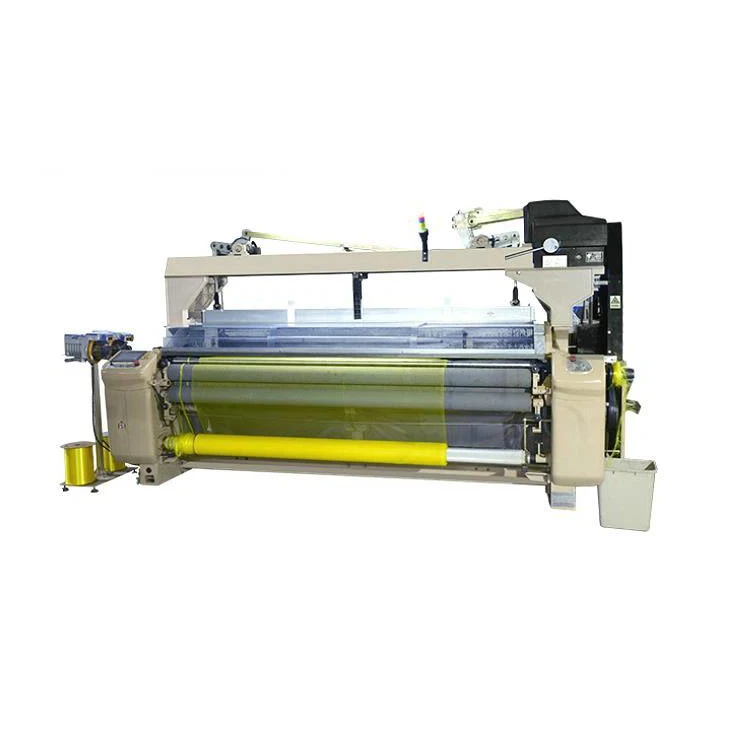

Next, gather your cleaning supplies. You'll need a few basic things: a soft brush (like a paintbrush), a lint - free cloth, some mild cleaning solution, and maybe a vacuum cleaner with a soft - bristle attachment. The mild cleaning solution can be a simple mixture of water and a bit of dish soap. Avoid using harsh chemicals as they can damage the delicate parts of the loom.
Cleaning the Exterior
Let's start with the outside. Use a soft, dry cloth to wipe down the entire exterior of the machine. This will get rid of any dust or loose dirt. If there are stubborn stains, you can dampen the cloth slightly with the mild cleaning solution. Gently rub the stains until they come off. Be careful not to let any liquid seep into the machine through the vents or openings.
Pay special attention to areas where dirt tends to accumulate, like the corners and edges. You can use the soft brush to get into those hard - to - reach spots. Just brush the dirt out and then wipe it away with the cloth.
Cleaning the Shedding Mechanism
The shedding mechanism is responsible for separating the warp threads to form the shed where the weft thread is inserted. Over time, fibers and dust can build up in this area, which can cause the threads to get stuck or misaligned.
To clean it, start by using the soft brush to gently remove any visible fibers or debris. Be very careful not to damage the delicate parts of the mechanism. If there's a lot of build - up, you can use the vacuum cleaner with the soft - bristle attachment to suck it out.
After that, use a lint - free cloth dampened with the mild cleaning solution to wipe down the parts of the shedding mechanism. Make sure to dry it thoroughly with a dry cloth to prevent rust or corrosion.
Cleaning the Picking System
The picking system is what inserts the weft thread into the shed. It usually consists of water jets and nozzles. These can get clogged with dirt, lint, or mineral deposits from the water.
To clean the water jets and nozzles, you'll need to use a special cleaning solution designed for this purpose. You can follow the manufacturer's instructions on how to mix and use the solution.
First, turn off the water supply to the picking system. Then, remove the nozzles carefully. Soak them in the cleaning solution for a while, usually around 15 - 20 minutes. After soaking, use a small brush (like a toothbrush) to gently scrub the inside and outside of the nozzles to remove any deposits.
Rinse the nozzles thoroughly with clean water and dry them completely before reinstalling them. You can also use the cleaning solution to flush the water jets to remove any debris inside.
Cleaning the Beating - Up Mechanism
The beating - up mechanism is used to push the weft thread into place after it's inserted. It has a lot of moving parts that can collect dirt and oil.
Start by using the soft brush to clean the visible parts of the mechanism. Remove any lint, fibers, or dirt that you can see. Then, use the vacuum cleaner to suck up any loose debris.
For a more thorough cleaning, you can use a cloth dampened with a small amount of machine oil or a light - duty lubricant. Wipe down the moving parts to clean them and also to keep them lubricated. But be careful not to use too much oil as it can attract more dirt.
Cleaning the Water Tank and Filters
The water tank and filters play a crucial role in the operation of the water jet loom. Over time, the water in the tank can become dirty, and the filters can get clogged.
First, drain the water from the tank completely. You can use a hose to siphon the water out if necessary. Then, use a brush to scrub the inside of the tank to remove any sediment or algae. Rinse the tank thoroughly with clean water several times.
Next, remove the filters from the system. Depending on the type of filters, you may be able to clean them by soaking them in the mild cleaning solution and then rinsing them well. Some filters may need to be replaced if they're too dirty or damaged.
Post - Cleaning Checks
Once you've finished cleaning all the parts, it's time to do a series of checks. Make sure all the parts are reinstalled correctly. Check all the connections to ensure they're tight and secure.
Fill the water tank with clean water and turn on the power. Let the loom run for a short period at a low speed to see if everything is working properly. Watch out for any unusual noises, vibrations, or leaks. If you notice anything wrong, stop the machine immediately and check for the cause.
Why Regular Cleaning Matters
Regular cleaning of your water jet loom has several benefits. It reduces the risk of breakdowns, which can save you a lot of money on repairs. It also improves the quality of the fabric produced. When the machine is clean, the threads move smoothly, and you're less likely to get defects in the fabric.
Related Products for Your Weaving Needs
If you're in the market for other weaving machines, we've got some great options for you. Check out our Nylon Monofilament Weaving Machine which is perfect for creating high - quality nylon mesh. Also, our Fabric Mesh Rolls Weaving Machine is a great choice for making fabric mesh rolls. And if you're interested in bag making, our L Sewing Flat Leno Bag Making Machine can meet your needs.
Let's Talk Business
If you have any questions about water jet looms, their cleaning, or are interested in purchasing one of our high - quality machines or related products, don't hesitate to reach out. We're here to help you make the best decisions for your weaving business. Whether you're a small - scale operation or a large - scale manufacturer, we've got the right solutions for you.
References
- General Textbooks on Textile Machinery Maintenance
- Manufacturer's Manuals for Water Jet Looms


