

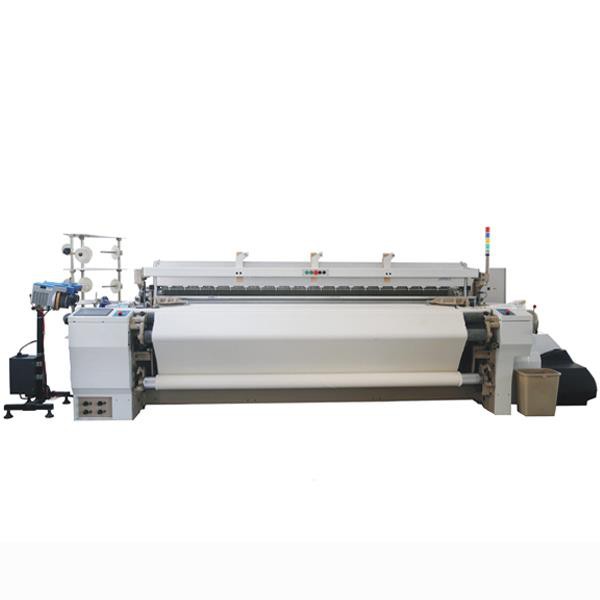
Troubleshooting common problems in an Air Jet Auto Loom is a crucial skill for textile manufacturers and operators. As a dedicated Air Jet Auto Loom supplier, I understand the importance of keeping these machines running smoothly to ensure high - quality production and maximum efficiency. In this blog, I will share some effective troubleshooting methods for common issues that may occur in an Air Jet Auto Loom.
1. Weft Insertion Problems
Weft insertion is one of the most critical processes in an Air Jet Auto Loom. Any issues in this area can lead to fabric defects and reduced production efficiency.
Broken Weft Yarn
One of the most common problems is the breakage of the weft yarn during insertion. This can be caused by several factors. Firstly, the yarn tension may be too high. If the tension is not properly adjusted, the yarn can break under the stress of the air - jet insertion process. To solve this problem, check the tension settings on the yarn feeders and adjust them according to the yarn type and specifications.
Secondly, the air - jet nozzles may be blocked. Blocked nozzles can disrupt the smooth flow of the weft yarn, causing it to break. Regularly clean the air - jet nozzles to remove any lint, dust, or debris that may have accumulated. You can use a small brush or compressed air to clean the nozzles.

Mis - Insertion of Weft Yarn
Another issue is the mis - insertion of the weft yarn, where the yarn does not reach the correct position in the fabric. This can be due to incorrect air pressure settings. The air pressure is responsible for propelling the weft yarn through the shed. If the pressure is too low, the yarn may not reach the far end of the loom; if it is too high, the yarn may be blown off - course. Check the air pressure gauges and adjust the pressure to the recommended level for the specific yarn and fabric being produced.
The timing of the air - jet activation can also affect the weft insertion accuracy. Incorrect timing can cause the yarn to be inserted at the wrong moment, resulting in mis - insertion. Refer to the loom's manual to adjust the air - jet timing settings if necessary.
2. Warp Yarn Problems
The warp yarns play a vital role in the weaving process, and problems with them can significantly impact the quality of the fabric.
Warp Breakage
Warp breakage can occur due to various reasons. One common cause is excessive friction between the warp yarns and the loom components. Check the warp beam, healds, and reeds for any rough surfaces or sharp edges that may be causing the yarn to break. Smooth out any rough areas or replace damaged components.
Inadequate warp tension can also lead to breakage. If the tension is too low, the warp yarns can become slack and get tangled, while too high tension can cause the yarns to break under stress. Use a tension meter to measure the warp tension and adjust it as needed.
Warp Yarn Entanglement
Warp yarn entanglement can disrupt the weaving process and result in fabric defects. This can happen when the warp yarns are not properly threaded through the healds and reeds. Make sure that each warp yarn is correctly threaded through the appropriate heald eye and reed dent. Additionally, check for any loose or misaligned warp yarns and re - arrange them to prevent entanglement.
3. Air System Problems
The air system is the heart of an Air Jet Auto Loom, and any problems with it can have a significant impact on the machine's performance.
Low Air Pressure
Low air pressure can cause a variety of issues, such as incomplete weft insertion and reduced weaving speed. Check the air compressor to ensure that it is functioning properly and providing the required air pressure. Inspect the air hoses for any leaks. You can use a soapy water solution to detect leaks; if bubbles form at a particular point on the hose, there is a leak. Replace any damaged hoses or repair the leaks.
The air filters in the system may also be clogged, reducing the air flow and pressure. Regularly clean or replace the air filters to maintain proper air circulation.
Uneven Air Distribution
Uneven air distribution among the air - jet nozzles can lead to inconsistent weft insertion. This can be caused by blockages in the air pipes or incorrect valve settings. Check the air pipes for any obstructions and clean them if necessary. Adjust the valves to ensure that the air is evenly distributed to all the nozzles.
4. Electrical and Control System Problems
The electrical and control systems of an Air Jet Auto Loom are responsible for regulating various functions of the machine.
Sensor Malfunctions
Sensors play a crucial role in detecting the position of the yarns, the timing of the weaving process, and other important parameters. Malfunctioning sensors can cause the loom to stop unexpectedly or produce defective fabrics. Check the sensors for any signs of damage, such as loose connections or broken wires. Clean the sensor surfaces to ensure accurate detection. If a sensor is found to be faulty, replace it with a new one.
Control Panel Errors
Error messages on the control panel can indicate various problems in the loom. Refer to the loom's manual to understand the meaning of the error messages. Some errors may be caused by simple issues, such as incorrect parameter settings, while others may require more in - depth troubleshooting. If you are unable to resolve the problem based on the manual, contact our technical support team for assistance.
5. Mechanical Component Problems
The mechanical components of the loom, such as the cam mechanisms, gears, and bearings, are subject to wear and tear over time.
Worn - Out Bearings
Worn - out bearings can cause excessive noise, vibration, and reduced machine performance. Check the bearings regularly for any signs of wear, such as play or rough surfaces. Replace the worn - out bearings promptly to prevent further damage to the machine.
Loose or Damaged Gears
Loose or damaged gears can lead to inaccurate movement of the loom components and affect the weaving process. Inspect the gears for any signs of damage, such as broken teeth or excessive wear. Tighten any loose gears and replace damaged ones.
In conclusion, troubleshooting common problems in an Air Jet Auto Loom requires a systematic approach and a good understanding of the machine's components and functions. By following the methods described above, you can effectively identify and solve many of the issues that may arise in your loom.
If you are facing persistent problems with your Air Jet Auto Loom or are interested in upgrading your existing equipment, we are here to help. Our company offers a wide range of high - quality Air Jet Auto Looms, including the MA9210 High Speed Air Jet Loom For Jeans Fabric and Jeans Weaving Machine. You can also explore our Air Jet Auto Loom product line for more options. Contact us for more information and to discuss your specific requirements. We look forward to assisting you in achieving optimal performance from your weaving equipment.
References
- Textile Machinery Handbook, various editions
- Manufacturer's manuals for Air Jet Auto Looms


